
Dewalt Hammer Drill Insights: Which Tool Fits Your Needs?
Introduction
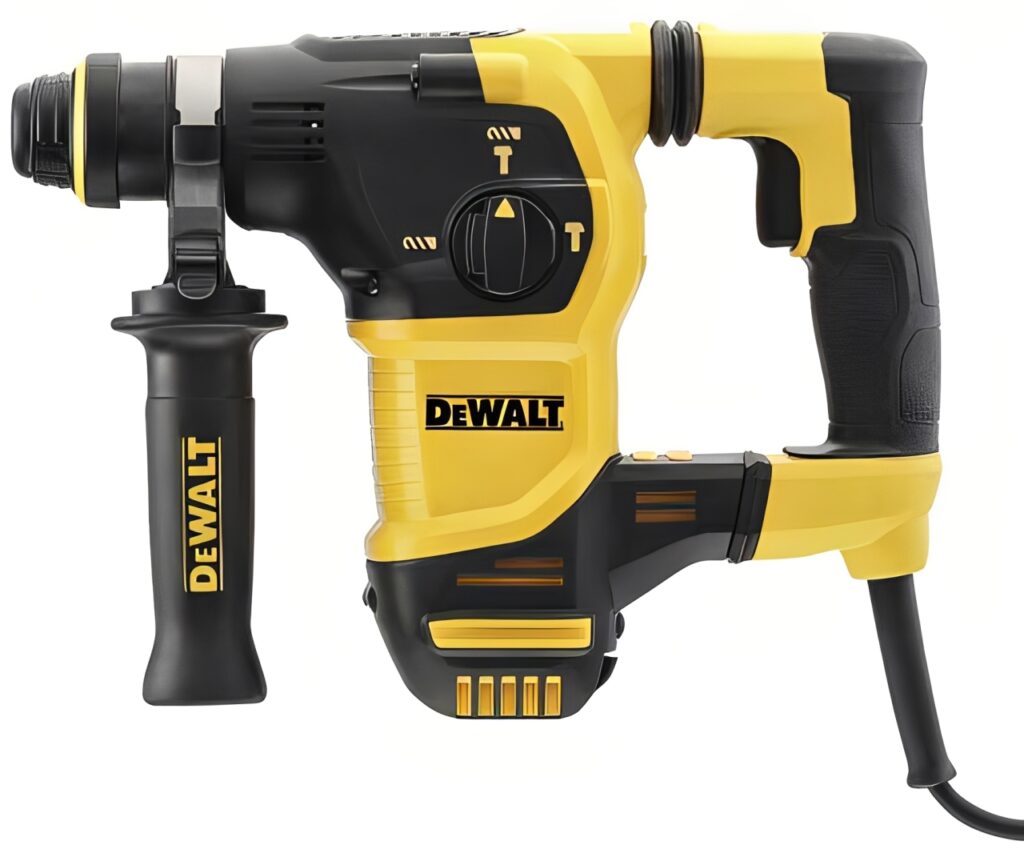
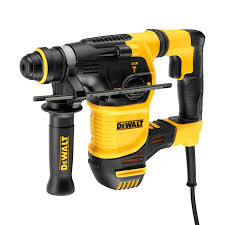
A Dewalt Hammer Drill is built for demanding drilling tasks where standard drilling slows down, especially in masonry. It combines rotary drilling with a hammering action to drive bits through brick, concrete, and block more efficiently, while still handling wood and metal when the hammer mode is off.
What Makes a Dewalt Hammer Drill Different?
A hammer drill does two motions at once.
It spins the bit like a regular drill, and it adds rapid forward impacts that help break through tough material. This impact action is what makes a Dewalt Hammer Drill a practical choice for wall plugs, anchors, and masonry fixings.
Because many jobs involve both drilling and fastening, most models also support adjustable clutch settings and variable speed triggers so you can switch from drilling holes to driving screws without swapping tools.
Key Features to Look For Before You Buy
Choosing the right tool depends on how often you drill masonry and how heavy your workload is. Focus on the specs that affect real performance on-site.
Power and Speed Control
Higher voltage cordless models generally deliver better torque and maintain speed under load.
Look for:
- Multiple speed ranges for control in wood and metal
- Variable trigger for smoother starts and cleaner holes
- Electronic brake for quicker stops and safer handling
Hammer Mode and Material Versatility
A good Dewalt Hammer Drill should let you switch modes quickly so you can move between tasks without losing time.
Common modes include:
- Drill only for wood, metal, plastics
- Hammer drill for brick and masonry
- Screwdriving with clutch control for consistent fastening
Chuck Type and Bit Security
A solid chuck reduces wobble, protects bits, and improves hole accuracy.
Useful considerations:
- All metal ratcheting chuck for stronger grip
- Quick bit changes if you use multiple drill bits
- Compatibility with common masonry and metal bit shanks
Ergonomics and Grips for Longer Jobs
Comfort matters when you are drilling overhead or working in tight spaces.
A stable body design and quality grips reduce fatigue and improve accuracy. Pay attention to balance, handle shape, and vibration feel, especially if you drill masonry regularly.
Cordless vs Corded: Which is Better for Your Work?
Both options can be the right choice depending on where and how you work.
When Cordless Makes More Sense
Cordless models are ideal for mobility. If you are moving around a site, fitting anchors, or working where power access is limited, cordless is usually faster and more practical.
Cordless benefits:
- No cable management across floors and stairs
- Quick setup for repetitive hole drilling
- Easy transport for field work
If you work near other equipment, cordless can also help avoid snagging around cables, connectors, and tools laid out on benches.
When Corded is the Smarter Pick
Corded hammer drills are consistent for longer heavy drilling sessions. If you regularly drill multiple deep holes in masonry, corded keeps steady power without battery swaps.
Corded advantages:
- Continuous runtime for extended drilling
- Often better for sustained high load tasks
- Strong choice for workshop or fixed locations
Accessory Choices That Improve Results
The right accessories make drilling cleaner, safer, and more efficient, especially when working with masonry dust and heat.
Bits and Anchoring Hardware
Choose quality masonry bits for concrete and brick. For metal work, use HSS bits, and for wood, use brad point or spade bits depending on the finish you need.
If you are installing fixtures, make sure bit sizes match your anchors, plugs, and fasteners so the fit is tight and secure.
Dust Control and Safety Add Ons
Masonry drilling creates fine dust that can affect health and tool life. Simple dust control measures protect both the user and the motor vents.
Practical options include:
- Dust extraction attachments
- Jobsite vacuum support hoses and cables management
- Eye protection and a suitable mask
Safety and Jobsite Best Practices
A Dewalt Hammer Drill is powerful, and safe technique matters. Maintain control, reduce kickback risk, and protect the work surface.
Use these habits:
- Start slow, then increase speed once the bit bites
- Keep the drill straight to prevent binding
- Let the tool work, do not force it
- Use two hands when drilling masonry or larger holes
- Remove debris from the hole for cleaner anchor seating
Also consider the environment around the drilling area. Hidden wiring, embedded sensors, or nearby electronics can be damaged if you drill blindly, so scan and mark drilling zones when required.
How Dewalt Hammer Drills Fit Modern Workshops and Maintenance Work
In many technical environments, drilling is part of a bigger installation process. A hammer drill might be used while fitting enclosures, mounting cable trays, or installing brackets for controllers and electrical panels.
It often supports tasks linked to:
- Routing cables through walls and mounting points
- Installing electronics housings near connectors and switches
- Securing contactors and control boxes to masonry surfaces
- Setting up work areas for laptops used in diagnostics and configuration
In industrial maintenance, you may work near fuses, LEDs, microcontrollers, and microprocessors inside panels. A clean drilling process helps keep dust away from sensitive parts and reduces cleanup time before commissioning.
Heat, Friction, and Material Considerations
Drilling generates heat, especially in dense materials and long holes. Keeping heat under control improves bit life and reduces motor strain.
Ways to manage heat:
- Use the correct speed for the material
- Clear the hole regularly to remove dust
- Use proper lubrication for metal drilling where appropriate
- Avoid overloading the tool in continuous hammer mode
In workshops, you may already use oils for maintenance tasks. Apply only when suitable for the material and bit type. For electronics-related areas, keep oils away from connectors and sensitive parts.
Practical Buying Checklist for the Right Model
Before choosing a Dewalt Hammer Drill, match the tool to your most common jobs. A simple checklist prevents regret later.
Consider:
- How often you drill into masonry versus wood or metal
- Typical hole sizes and depths you need
- Whether you need compact access or higher torque
- Battery platform compatibility if you already own tools
- Whether you will work around delicate electronics or controlled spaces
If you also handle heat sensitive assemblies, thermal pads and thermal management materials may be part of your broader workflow. Keeping drilling dust controlled helps protect surfaces and reduces contamination around sensitive components like capacitors and controllers.
Final Thoughts
A Dewalt Hammer Drill is a job-ready tool for drilling into masonry while staying versatile for everyday drilling and fastening. Focus on power, speed control, chuck quality, comfort, and safety features to pick a model that fits your workload.