
What Is a Fluke Test Hose Kit Used For?
Introduction
In pressure calibration and troubleshooting, the Fluke Test Hose Kit helps you connect pumps, calibrators, gauges, and reference instruments with confidence. It supports a stable setup, so you can focus on measurement quality instead of chasing leaks or redoing connections.
Why a test hose kit matters in real work
Pressure setups are unforgiving. A weak connection can cause drift, unstable readings, and wasted time. A purpose built kit gives you compatible fittings, reliable seals, and hose options that match the job. As a result, you reduce rework and protect both the instrument and the process.
Typical uses include:
- Connecting a hand pump to a pressure calibrator during field service
- Linking a reference standard to a device under test for verification
- Building repeatable setups for maintenance teams and test benches
Core components you typically get
While exact contents vary by model, most kits include the practical building blocks needed to create dependable pressure connections.
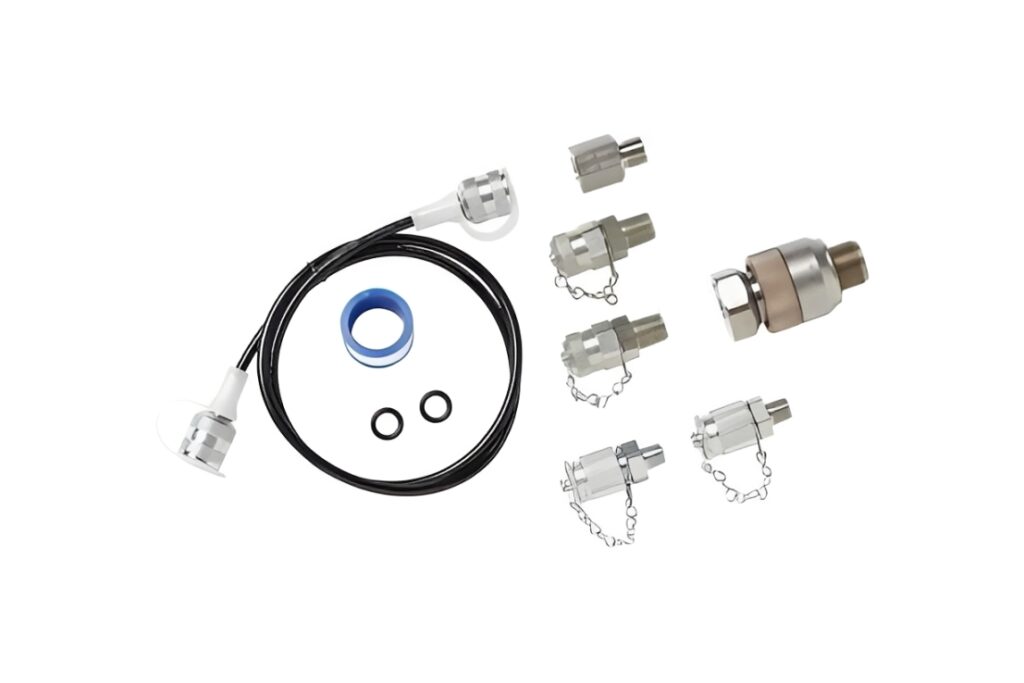
Hoses, fittings, and adapters
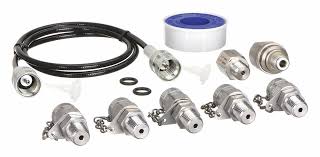
The heart of the kit is the test hoses plus adapters to match different ports. You may find:
- Pressure rated hoses in different lengths for easier routing around tools
- Thread adapters when ports do not match
- Quick connection elements for faster changes between devices
These pieces act like the connectors of your calibration setup. When they fit correctly, they support stable readings and fewer leaks.
Seals and protective parts
Sealing is where accuracy starts. Good kits often include:
- O rings or sealing washers for consistent compression
- Protective caps that keep ports clean between jobs
Keeping seals clean is a simple safety habit. It also helps protect sensitive electronics inside modern calibrators and reference gauges.
Key features to check before you choose a kit
Because a hose kit touches both the instrument and the process, match it to your range and environment.
Pressure rating and media compatibility
First, confirm the pressure rating covers your application. Then consider materials:
- Chemical resistance if oils or process fluids may contact the hose
- Temperature tolerance if the job includes thermal variation
- Flexibility for routing in crowded panels and rigs
Even small thermal changes can affect readings, so stable materials help you keep results consistent.
Port types and fit across your tools
A kit should match the ports on your pumps, calibrators, and devices under test. If your site uses mixed equipment, adapters are essential. Also, check how the kit stores with your gear, including cases and cables, so technicians can deploy it quickly.
Handling in the field
Look for features that reduce mistakes:
- Textured grips for tightening without slipping
- Clear labeling of adapters
- Components that can be cleaned and reused safely
How to set up a leak resistant connection
A consistent process improves both speed and accuracy.
A repeatable connection routine
- Inspect ports and threads for debris
- Choose the correct adapter and confirm the seal is seated properly
- Hand tighten first, then snug gently with the right tool if required
- Pressurize slowly and watch for unstable readings
If you see instability, do not assume the sensor is faulty. Many issues start at the connection. Tighten carefully rather than forcing it, since over tightening can damage threads and seals.
Cleanliness and storage habits
Contamination causes leaks and can degrade seals. After a job:
- Wipe fittings and cap open ports
- Store adapters in their slots so they do not mix
- Replace worn seals before the next calibration run
This discipline protects your equipment, including controllers used in automated test stations.
Improving measurement quality and protecting equipment
A hose kit is not just about convenience. It supports measurement integrity and safer workflows.
Stability for sensors and calibration electronics
Pressure calibrators rely on internal sensors and electronic measurement stages. When connections are stable:
- Pressure settles faster
- Readings are less noisy
- Calibration points are easier to document
This matters in environments where microcontrollers and controllers drive automated sequences, because stable connections reduce false failures and improve repeatability.
Reducing risk in mixed test setups
Many workstations combine pressure verification with other checks, such as continuity testing, thermal sensors, and control outputs for contactors and other control gear. A reliable hose setup helps you avoid fluid exposure near fuses, switches, LEDs, and other sensitive parts. It also supports cleaner logging when laptops are used for results capture, especially when technicians troubleshoot electronics that include a capacitor bank, thermal pads, and microprocessors on modern control boards.
Quick troubleshooting checklist
When results look wrong, a short check can save time before you swap sensors or tools:
- Confirm connectors and adapters are the correct thread type
- Listen for leaks and re seat the seal if pressure decays
- Keep hoses away from sharp edges and hot surfaces to limit thermal effects
- If oils are present, clean threads and replace any swollen seals
- Re run the point and compare with your reference instrument
Practical selection tips for product focused buyers
To keep the Fluke Test Hose Kit relevant to real users, map features to outcomes:
- Faster setup time due to correct adapters and quick connections
- Fewer leaks from consistent seals and good grips
- More reliable data for electronics maintenance and calibration records
Also, plan for consumables. Seals wear over time, so stocking spares keeps teams from improvising and protects the kit through its lifecycle.
Final thoughts
The Fluke Test Hose Kit is a practical way to improve connection quality, reduce leaks, and support consistent pressure calibration results. When you choose the right rating, keep seals clean, and follow a repeatable setup routine, you get clearer readings and safer work practices across modern maintenance environments.