

What Is an Industrial Thermometer and Why Is It Important?
Introduction
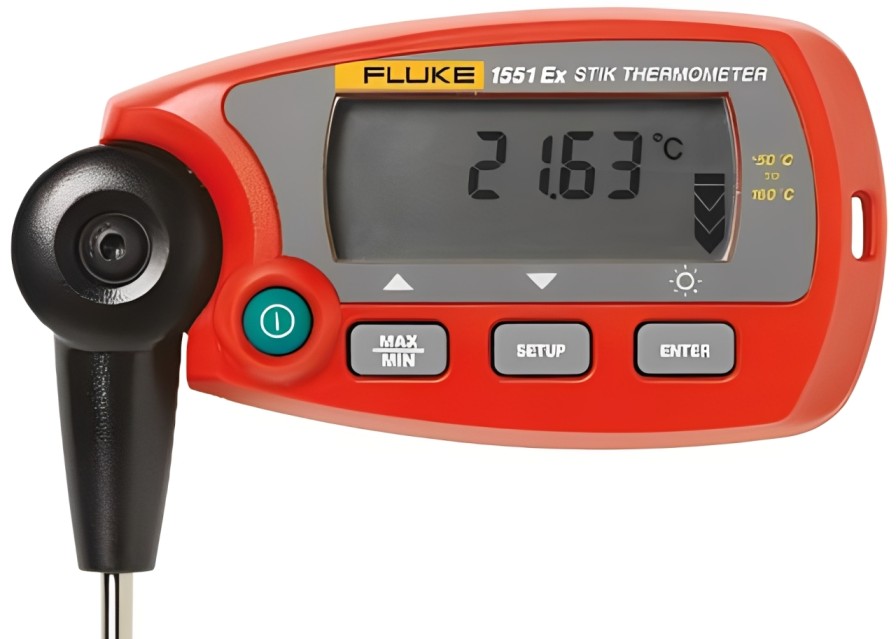
An industrial thermometer is a specialised temperature measuring device built for demanding environments across manufacturing, processing, and automation. Unlike basic household thermometers, an industrial thermometer delivers precise readings under vibration, extreme heat, moisture, chemicals, and thermal fluctuations. In the first stages of any process, industries rely on accurate temperature control to protect equipment, maintain product quality, and ensure safety. This makes an industrial thermometer essential for monitoring machinery, electronics, cables, connectors, tools, and thermal systems.
Understanding the Role of an Industrial Thermometer
An industrial thermometer plays a critical role in maintaining stable operating conditions across plants and production lines. It measures temperature in pipelines, tanks, furnaces, ovens, chillers, and electrical enclosures. As modern facilities evolve with advanced electronics, sensors, microcontrollers, and controllers, accurate temperature data supports automated decision making, alarms, and process adjustments. From checking thermal pads in power systems to monitoring oils in machinery, temperature becomes a key measurement factor that keeps systems running reliably.
Industrial environments also involve components like fuses, switches, LEDs, contactors, and capacitors that can fail under excessive heat. Regular thermal inspection using an industrial thermometer reduces downtime and prevents damage to microprocessors and laptops used for diagnostics and monitoring.
Types of Industrial Thermometers Used Across Industries
Selecting the right industrial thermometer depends on how it interacts with the target surface and how quickly it needs to respond. Each type has unique advantages that suit specific applications.
Contact Industrial Thermometers
Contact thermometers physically touch the surface or material being measured. They are ideal for steady, stable readings across machinery and pipelines.
Common options include:
- Bimetallic thermometers with simple, rugged construction
- Resistance Temperature Detectors that depend on precise platinum sensors
- Thermocouples suitable for high thermal conditions such as kilns and furnaces
These instruments are frequently used in chemical plants, food production equipment, and processing tanks. Their sensors can connect easily through cables and connectors, making installation flexible.
Non Contact and Infrared Industrial Thermometers
Non contact thermometers measure heat radiation instead of direct contact. These are preferred for moving objects, hazardous surfaces, and electrical components.
Benefits include:
- Fast temperature measurement from a safe distance
- Ideal for panels containing switches, LEDs, fuses, and contactors
- Effective for electrical motors, drives, and cabinet monitoring
Infrared thermometers help technicians detect hotspots near electronics, microcontrollers, and areas where grips or tools cannot reach safely.
Digital Panel and Integrated Thermometers
Digital industrial thermometers are often built into automation systems. They work with controllers, microprocessors, and data acquisition modules.
These systems may include:
- Embedded sensors linked to industrial controllers
- Digital displays for real time temperature readings
- Connectivity for laptops and monitoring software
They allow process lines to react immediately when temperature rises or falls outside safe thresholds.
Key Features to Look for in an Industrial Thermometer
A high quality industrial thermometer should match the operating environment and performance needs of your application. The features below are especially important when evaluating options.
Measurement Range and Accuracy
Every industrial thermometer must support the temperature range of your process. Applications involving thermal oils or high heat treatment require wide upper limits, while refrigeration demands low temperature accuracy. Industries should check specifications for resolution, response time, and drift performance.
Durability and Environmental Resistance
Industrial environments contain dust, moisture, chemicals, and constant equipment vibration. A reliable thermometer should feature:
- Strong housings with safe grips
- Sealed probes resistant to oils and liquids
- Electrical noise protection for use near motors, switches, and contactors
When mounted near cables and connectors, shielding becomes essential to prevent inaccurate readings.
Sensor Compatibility and Connectivity
Modern processing plants depend on networks of sensors integrated through controllers and microprocessors. Always confirm that your industrial thermometer supports:
- Thermocouple or RTD inputs
- Compatibility with PLCs, microcontrollers, and controllers
- Interfaces for laptops and data logging
- Cables and connectors suitable for your environment
Better connectivity ensures consistent communication between thermal measurement tools and industrial automation systems.
Where Industrial Thermometers Are Used
Industrial thermometers serve a wide range of sectors because temperature affects nearly every process and component. Below are typical applications.
Chemical and Process Manufacturing
Temperature must remain within strict limits to ensure safe reactions. Industrial thermometers monitor:
- Heated pipelines and reactor vessels
- Heat exchangers using thermal fluids or oils
- Storage tanks where safety and accuracy are critical
In these areas, accurate readings help avoid damage to fuses, switches, and electronic components.
Food, Beverage, and Pharmaceutical Industries
Reliable temperature control ensures hygiene, sterility, and consistent product quality.
Thermometers check:
- Cooking and cooling processes
- Sterilisation cycles
- Chillers and cold storage rooms
Short, accurate readings help maintain compliance throughout production.
Electronics and Electrical Systems
Thermal issues are a major cause of failure in electronics and power systems. Industrial thermometers help inspect:
- Enclosures with microprocessors or microcontrollers
- Thermal pads and heat sinks in power electronics
- LED panels, contactors, and capacitor banks
- Cables and connectors for hotspot detection
Monitoring temperature prevents overheating that may lead to equipment breakdown.
Supporting Accessories for Industrial Thermometers
The performance of an industrial thermometer improves when paired with the right accessories. These may include:
- High accuracy sensors with durable cables
- Thermal pads to enhance heat transfer
- Liquid, surface, and flexible probes
- Mounting brackets, sleeves, and connectors for secure installation
Thermal management solutions such as fans, ventilation paths, and oils complement temperature measurement and keep systems stable during operation.
Safety and Maintenance Guidelines
Accurate readings and operator safety depend on good maintenance practices. Technicians should:
- Inspect cables and grips before use
- Replace damaged sensors and connectors
- Calibrate thermometers at regular intervals
- Follow safe procedures when working near live circuits
Proper care extends product life and ensures the industrial thermometer works consistently.
How to Select the Right Industrial Thermometer
Choosing the best industrial thermometer involves understanding your process requirements. Consider:
- Required temperature range
- Contact or non contact measurement
- Sensor type and compatibility
- Environmental conditions
- Data logging and connectivity needs
- Cable and connector configuration
Matching these factors will help you select a product that supports stability, safety, and long term thermal performance.