
Introduction
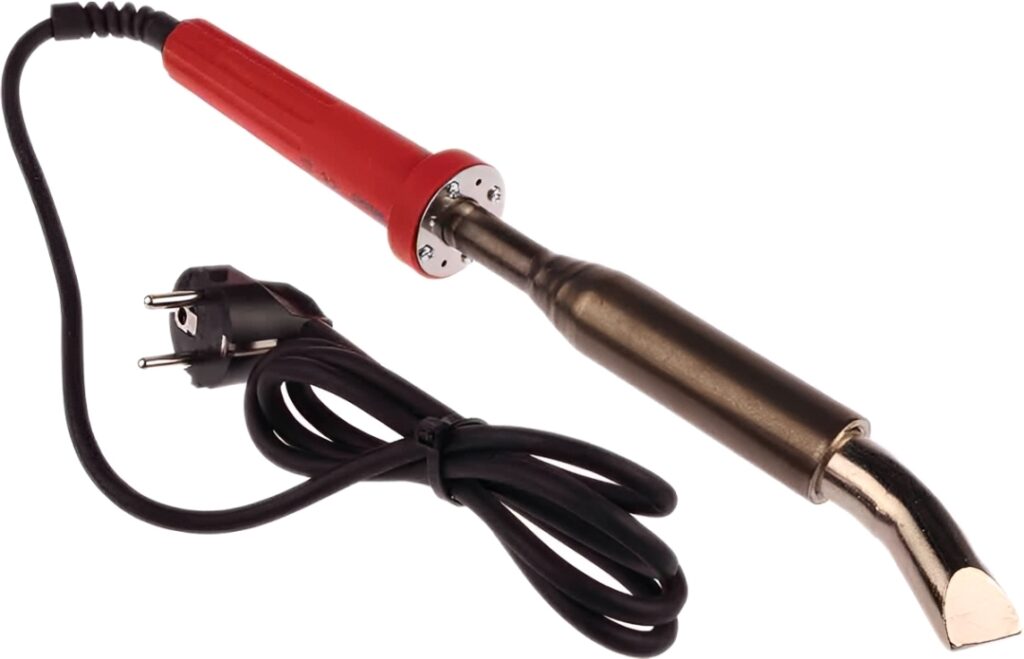
An electrical soldering iron is one of the most important tools in electronics assembly, repair, and prototyping. Whether used for connecting cables, fixing sensors, or attaching connectors to a circuit board, a soldering iron provides the precision and heat required to melt solder and join metal components. Understanding how it works, its different types, and its role in modern electronics can help both beginners and professionals handle projects effectively.
What Is an Electrical Soldering Iron?
An electrical soldering iron is a handheld tool designed to generate enough thermal energy to melt solder, allowing a secure connection between two conductive materials. The solder creates a strong mechanical bond while ensuring excellent electrical conductivity.
Common uses include:
- Attaching LEDs, capacitors, and switches to circuit boards.
- Repairing broken wires and fuses in electronic devices.
- Building DIY projects with microcontrollers, controllers, and microprocessors.
- Fixing laptops, contactors, and other consumer electronics.
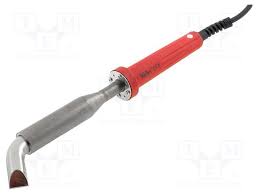
The tool usually consists of a heated metal tip, a handle with insulation for safety, and temperature controls in advanced models.
How Does an Electrical Soldering Iron Work?
The working principle of a soldering iron is simple:
- Electricity flows through a heating element.
- The element converts energy into heat.
- The heat transfers to the tip, melting the solder.
Good grips and ergonomic designs improve handling, while thermal regulation prevents overheating of delicate electronics. Some soldering irons use thermal pads or oils to manage heat transfer efficiently.
Types of Electrical Soldering Irons
Different soldering irons are suited for specific applications.
1. Fixed Wattage Soldering Irons
Best for beginners, these maintain a constant power level. They are ideal for basic soldering tasks such as attaching cables and connectors.
2. Temperature-Controlled Soldering Irons
These allow users to adjust heat settings. They are often preferred for sensitive components like microcontrollers and sensors.
3. Soldering Stations
A Weller soldering iron or similar station combines an iron with a base unit. The station provides digital or analog control, replaceable tips, and better safety features.
4. Cordless Solder Irons
Compact and portable, these are useful for quick repairs in fieldwork or places without easy power access.
Key Features to Look for in a Soldering Iron
When choosing a soldering iron, consider:
- Power Rating: Determines how quickly it heats up.
- Temperature Control: Essential for precision with delicate parts.
- Tip Variety: Fine tips for microprocessors, wider tips for cables.
- Ergonomic Grip: Ensures comfort during long repair sessions.
- Safety Features: Protection against overheating and accidental burns.
Applications of Electrical Soldering Irons
Electrical soldering irons are widely used across industries and DIY projects.
- Electronics Repair: Fixing laptops, controllers, and switches.
- Circuit Board Assembly: Attaching capacitors, LEDs, and sensors.
- Electrical Work: Repairing connectors, contactors, and fuses.
- Prototyping: Essential for innovators working with microcontrollers and microprocessors.
- Hobby Projects: Popular in robotics, model building, and custom electronic kits.
Safety Tips for Using a Soldering Iron
Working with a soldering iron requires attention to safety:
- Always work in a well-ventilated area to avoid inhaling fumes.
- Use a stable stand to rest the iron when not in use.
- Keep thermal pads nearby to manage excess heat.
- Wear protective eyewear to guard against solder splashes.
- Disconnect power before replacing tips or cleaning the iron.
Advantages of Using an Electrical Soldering Iron
- Precision: Delivers accurate heat for small components.
- Reliability: Ensures strong electrical and mechanical joints.
- Versatility: Useful for electronics, electrical systems, and household devices.
- Cost-Effective: Affordable compared to other repair tools.
Electrical Soldering Iron vs. Other Heating Tools
Unlike heat guns or blow torches, soldering irons provide controlled, localized heat. This makes them safer for delicate electronics where excess thermal exposure could damage sensors, microcontrollers, or capacitors.
Choosing the Right Electrical Soldering Iron
When deciding which iron to use, ask:
- What type of project am I working on?
- Do I need adjustable temperature for fragile parts?
- Will I be working on small circuits or heavy-duty connectors and cables?
For occasional repairs, a simple solder iron works well. For professional use, a Weller soldering iron or a complete station is the best choice.
Conclusion
An electrical soldering iron is a vital tool for anyone dealing with electronics, cables, connectors, and sensors. Its ability to provide controlled heat makes it indispensable for repairs, assembly, and innovation with microcontrollers, microprocessors, and laptops. By choosing the right soldering iron and following safety practices, you can achieve durable and reliable connections across countless applications.
